
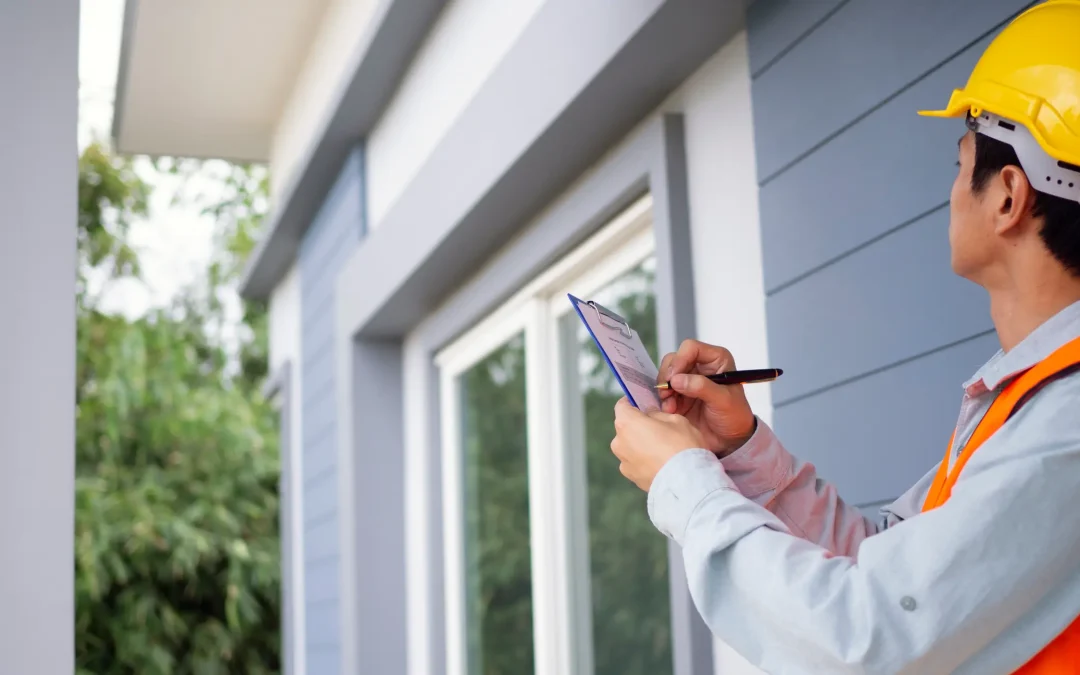
Home inspections are a key part of the homebuying process. As the buyer, you’ll want to have a qualified professional inspect the interior and exterior of the property in detail to determine whether there are serious structural issues, hazards or worn-out systems.
A home inspection is conducted by a certified inspector who visits the home in person to evaluate its condition. It can take two to three hours or longer, depending on the size of the property, and an inspection typically costs between $296 and $424, according to HomeAdvisor data. The fees can vary depending on a home’s location, size and age.
Inspectors generally look at a home’s major components and systems to determine if there are any issues that require immediate attention, or that could cost you big bucks down the road. They typically encourage buyers (or their real estate agents) to be at the inspection to discuss the findings in person and ask questions. It’s best to attend the inspection yourself, if possible.
During a red-hot housing market, some buyers might waive the home inspection to make their offers more appealing to sellers who are fielding multiple offers. But skipping this important step is not recommended.
Inspections provide you with an unbiased expert assessment of the property and help you make an informed decision on the purchase. A home inspection contingency in your purchase offer will protect you in case the inspection uncovers a “deal-breaker” problem.
What’s Covered In a Home Inspection?
It’s crucial to know what your home inspector is looking for so that you can understand the home inspection report and decide which issues, if any, to address. The results of a home inspection can help you decide whether to ask the seller to cover the cost of repairs.
While a professional home inspection checklist can vary, inspectors are focused on a home’s physical components and systems — both inside and out. Knowing what your inspection does (and doesn’t) cover can help guide your next steps.
The inspection is comprehensive, starting with the exterior to check for undamaged siding, effective gutter drainage, structurally sound window and door frames, and a solid foundation free of cracks or mildew. Outdoor structures like porches and stairways are inspected for damage or termites, and the yard, driveway, and septic tank are checked for safety and leakage.
The inspection then moves to the roof, looking for missing or damaged shingles, leaks, mold, and issues with the chimney or skylights. Inside, the attic is checked for proper insulation, ventilation, and any signs of water damage, decay, or pests. The basement is scrutinized for moisture, mold, water damage, and insect damage, with a check on the floor for cracks and the condition of the sump pump. Essential systems are also thoroughly evaluated.
Plumbing is inspected for leaks, proper drain function, stable toilets, good water pressure, and working hot and cold water. Electrical systems are checked for exposed wiring, dangerous splices, and damage to the circuit breaker and electric panels, ensuring all light switches and fixtures are working. The HVAC system must function well without gas odors, and exhaust fans, filters, insulation, and ductwork must be clean and undamaged. Finally, the inspection includes additional safety checks on working fire/carbon monoxide alarms and structural integrity of railings and stairs.
What Is Typically NOT Covered In a Standard Home Inspection
A professional home inspection focuses on components that are readily and easily accessible. The exact standards can vary by state, so it’s wise to consult organizations like the American Society of Home Inspectors (ASHI) and the International Association of Certified Home Inspectors (InterNACHI) for the specific requirements in your area.
For home buyers, the following areas and issues are generally excluded from a standard professional inspection checklist:
- Areas that are not easily accessible
- Rodent or pest infestations (such as termites or carpenter ants)
- Airborne hazards (like radon)
- Landscaping
- Low-wattage electrical systems (e.g., phone lines and alarm systems)
Some inspectors do offer specialized services, such as testing for mold or carbon dioxide, but these will incur additional fees. Furthermore, if the home has a septic system, you will likely need a separate, specialized professional for that inspection, so be sure to inquire.
After The Inspection: The Next Steps
Ask for a home inspection contingency: Building this contingency into your purchase contract will allow you to walk away from the deal if the inspection reveals major issues, particularly if the seller is unwilling to address the problem. Review seller’s disclosures beforehand: Study the seller’s disclosure documents closely to make yourself aware of any issues that could potentially diminish the value of the property.
Find the right inspector: Connect with your real estate agent or do your own research to find someone who is highly knowledgeable, ideally someone nearby who is familiar with the area. Identify potential deal-breakers: Consider what defects would make it impossible for you to complete the purchase. These could include mold, lead-based paint, asbestos or structural problems.
Action Realty has cultivated ties with Detroit Lakes’ top home inspectors and can leverage them for interested buyers. Call Action Realty today!